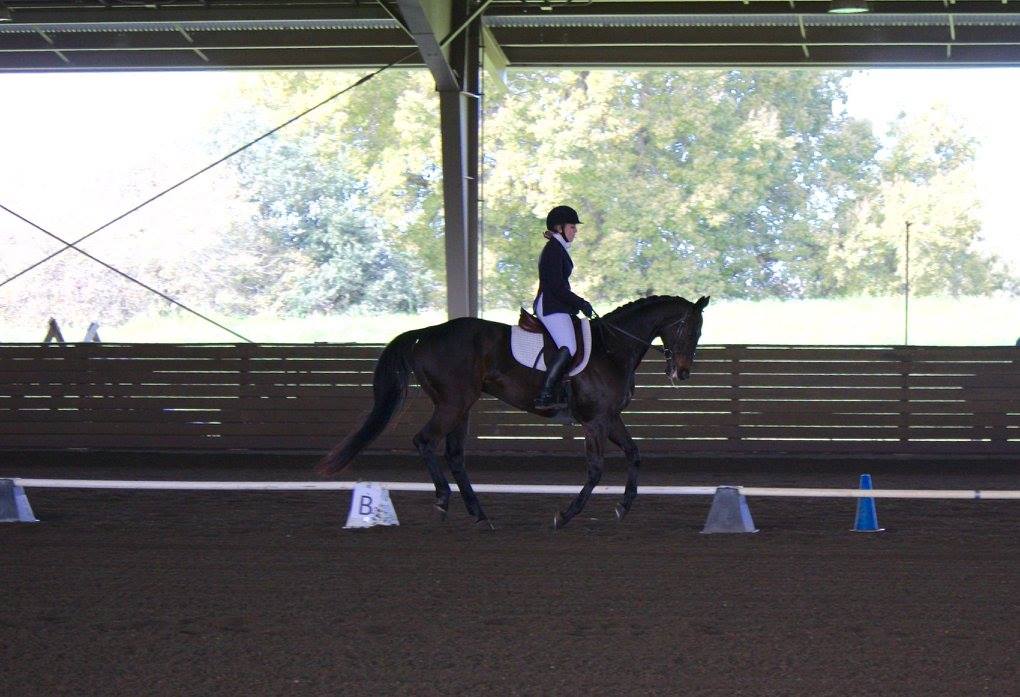
This post was written by all-star CANTER volunteer and trainer Arianna. Arianna is a senior at UC Davis, graduating in June with a double major in English and History. She has shown dressage to Prix St. Georges and is a USDF Bronze and Silver medallist. Arianna has been volunteering with CANTER California since June of 2016 and has been an intern with CANTER for the school year.
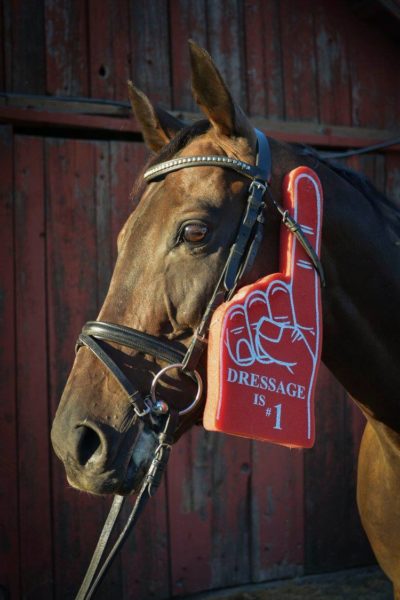
As an intern with CANTER California for the school year, I have worked primarily with Seafire. He is thirteen years old, about sixteen hands, and has a strong personality. He was clearly very suited to dressage, so we made a good match, and his work ethic has allowed him to really blossom as a dressage horse.
Seafire is beginning to really understand lateral work, to get the idea of shoulder-in and haunches-in (the baby feeling of these, but still!), turns on the haunches and leg yields, and his balance is a mile better than where it was over the summer.
And yet, he is still with us.
Despite his apparent abilities and having successfully competed and placed at two shows, he is still not the dressage partner people are looking for. Now, he does sometimes stick his tongue out, which presents a slight detractor for serious competitors, but he is a safe, capable, hard-working horse who will make a great partner for someone. He is ready to go to clinics and shows now and could easily be competing at Training Level tomorrow.
Seafire is an excellent example of the overlooked non-traditional dressage horse. He is wonderful, but he is definitely not a 17-something-hand warmblood with 9 movement and a shoulder so mobile his knees touch his nose in an extended trot. He tries hard and really commits to work, but no amount of work ethic will change who he is, and in the dressage world today horses like him often get pushed to the side in favor of something flashier. While a Thoroughbred might not win every time out against a warmblood, if you really want to enjoy your horse and learn, there are many great horses like Seafire who are ready to be that horse for someone.
So, I am here to make the case for all the non-warmblood dressage horses out there. They’re really great, I promise.
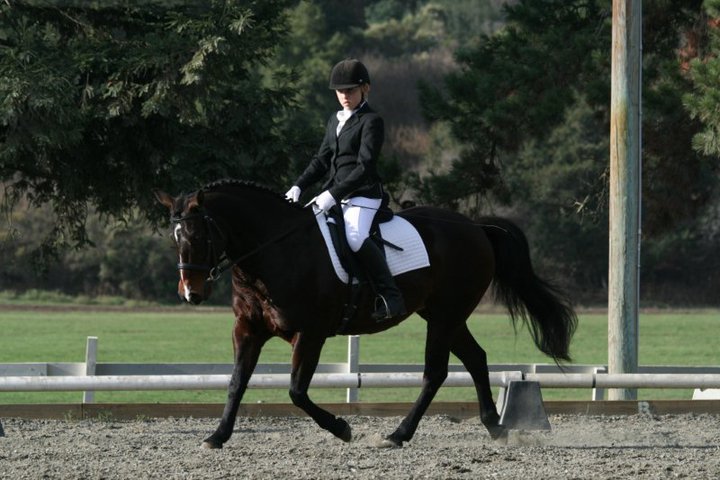
I have been riding since I was seven-and-a-half and competing in dressage shows since I was about ten, and I have never gotten a pre-made dressage horse or one who has not had some prior non-dressage career. Thanks to good, patient instruction and some great horses, I still got a lot of show miles and tons of valuable experience. The first horse I competed seriously in dressage was a Quarter Pony named Mocha, and she was something else. She was very sassy (as in she was more likely to run you around the pasture than to come in quietly) but she made a great first dressage pony, and I definitely learned a lot from her. Mocha’s main skill was being cute enough that people couldn’t resist her, and it worked extremely well.
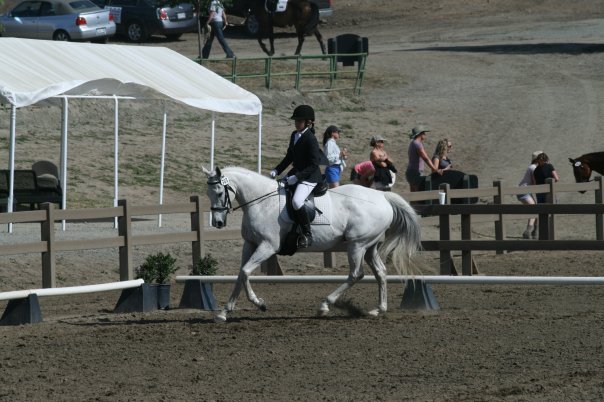
After Mocha, I showed a Thoroughbred named Pirate. He got left at our barn, and since I was looking for a different horse to ride, I leased him. We showed him through First Level and Novice Level 3-Day Eventing and it really taught me a lot about how to ride those skills (this was back when all the First Level tests required sitting trot, which meant I had to learn how to sit). When I started riding Pirate, he was stiff as a board and really not into dressage (to be fair, I was relatively ambivalent about it as well), but over time he turned into a really good ride.
Finally, I started riding Cabo, a shy, unassuming and incredibly sweet Quarter Horse who was six years old and
pretty much green when I started leasing him. I didn’t want to lease a horse who was ‘just a Quarter Horse’ after having ridden and evented a Thoroughbred, but I got talked into it, and it was one of the best things that’s ever happened to me.
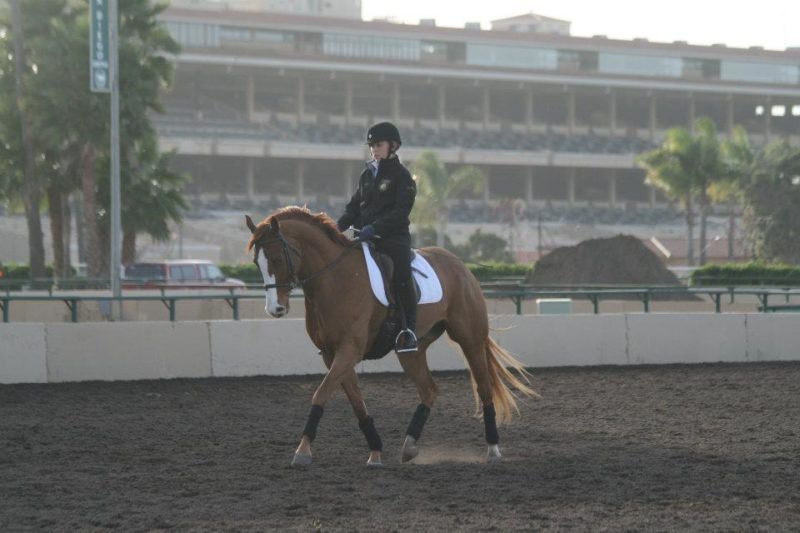
I learned how to ride skills from the ground up, on a very cooperative horse, and I got to do clinics with some amazing trainers. He was a lesson in patience, and over time he turned into a really awesome horse. We showed him through Third Level, and he was very competitive in the JR/YR classes. He worked all the way up to learning canter pirouettes, could do flying changes, and was starting skills for Fourth Level before he unfortunately had to retire. In short, all of these amazing horses were something other than the ‘traditional’ warmblood horses now filling dressage rings, but they were all wonderful in their own way.
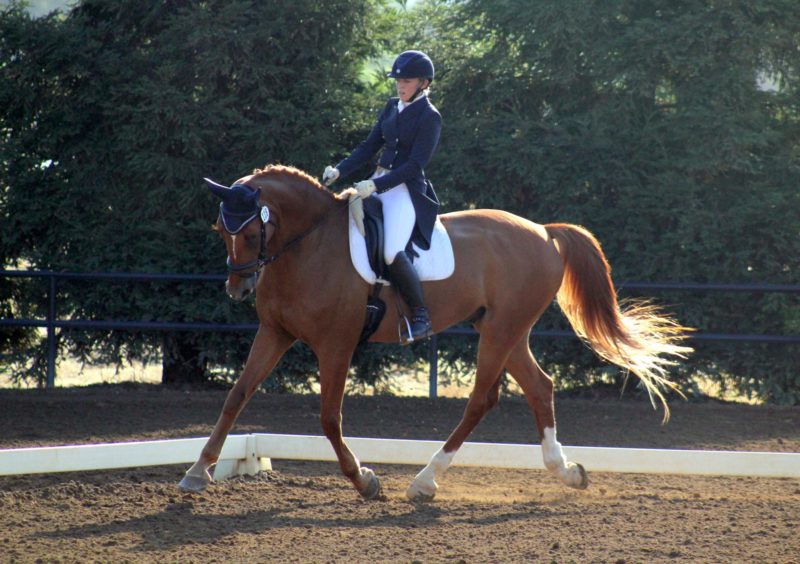
The most traditional dressage horse I have ever ridden was my most recent lease horse, Patriot. He was a 17.1 hand Dutch Warmblood who had been a show jumper before coming to our barn, and he came with some baggage. He was giant and sensitive and just a ton of horse sometimes. Once when I rode him, I got him so excited and worked up, I got ‘banned’ from riding him for a while. When I finally did lease him a few years after that incident, it took a lot of careful riding and dedication to get him through some of the work. We showed him through Prix St. Georges (by the goodness of his heart and sheer cooperation with each other), and even though his natural movement and his prior training made some of the movements and skills easier, it was not an easy ride. The lead changes, particularly getting into the tempi changes, were incredibly hard because he had jumper changes and almost never changed clean. Combine that with his tendency to get tense at shows, particularly in the ring, and you could pretty much kiss clean changes goodbye (we did eventually get more and more good changes, but they were far from a sure thing).
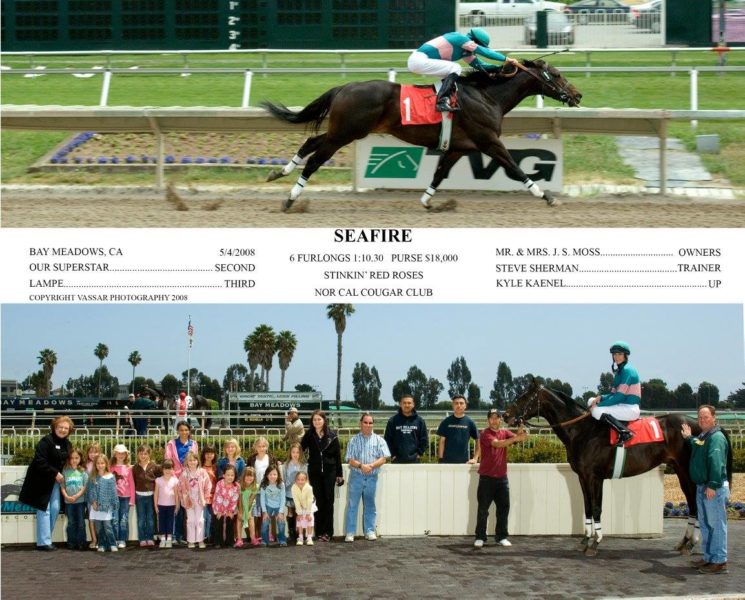
So, what is the moral of the story? All of these horses made fantastic teachers and helped me get very valuable show experience and life experience, even though most of them were not what people primarily look for in dressage horses. The thing was, all of these horses took time, just as Seafire has.
When I started riding Seafire over the summer, in June 2016, he was quite stiff, didn’t want to bend through any part of his body, sometimes picked up the correct canter lead, and mostly went around at a regular tempo. This past week he did leg yields, stretchy trot and canter (which he loves), the beginnings of haunches-in, renvers, leg yield around a circle and shoulder-in, and he has not picked up the wrong lead once. Obviously he has made huge progress, but the thing is, sometimes it has been hard to see that. We would have days where it was a struggle to get on the contact, or he would just go very quickly and ignore me, or he would spook at everything, or he would lean on my hands and refuse to bend, etc., you get the picture.
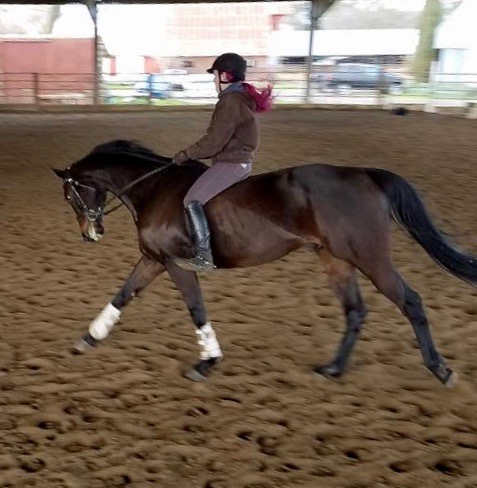
Back in November, I took him to a clinic and told the clinician that I really wanted to start doing haunches in because I thought it would help, but Seafire wasn’t really getting it and I didn’t know how to get started because he seemed to be so unable to understand what I wanted. The clinician told me to basically just try to trick him into it and get him to do it by keeping him in that shape going around a corner (that sounds a bit pushy and aggressive, but that wasn’t the intention behind the instruction at the clinic). It sort of got the job done on the day of the clinic, and we also worked on shoulder-in, leg yields, and multiple trot-canter transitions. It was great, and I went home thinking I would keep working on those things and obviously it would only get better. Funny, right? Of course it didn’t go like that.
I don’t remember exactly what happened day by day, but I definitely didn’t just get to start working on those things. After considering what we had done at the clinic, I decided I would just forget about those skills and focus on getting Seafire to relax more, and bit by bit I would try to introduce haunches-in and just let the idea seep in slowly.
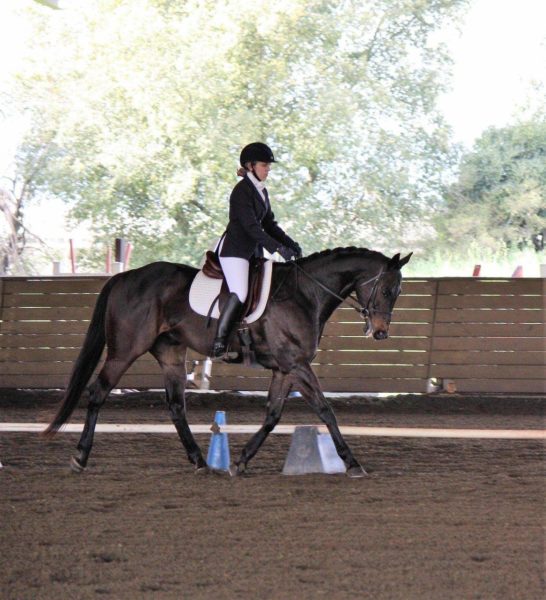
Surprisingly, although it really shouldn’t be a surprise, that worked. Seafire can get a little bit tense, so trying to get things done right now really doesn’t work for him. Day-to-day it might not seem like much is happening, and maybe you leave something alone for weeks at a time, but eventually things appear. I had been trying to work on leg yields, and we had done some serious leg yields at that clinic in November, but I wasn’t happy with how he was feeling about them, so I just left them alone for a little while. Last week I went back and asked for one, and he just went over to the rail very smoothly and stayed calm. And hey, he has leg yields now. He also has haunches-in now.
I’m not totally sure when it happened, but over time, with working on listening to more complex leg aids, he has gotten
more responsive to whole-leg aids (i.e. using your thigh as well as the lower leg), and so when I put my leg back from the hip, he is starting to understand that it means to move over and bend through his rib cage. It’s an incredibly cool feeling to have him starting to come through and understand more complex work. It has just taken time and a lot of patience. It also takes a lot of trust. I needed him to trust me. I needed him to trust that I was a nice person (he was a little wary at first), I needed him to trust that I would ride him kindly, I needed him to trust that I wouldn’t ask too much of him (which I have, and he has graciously forgiven me time and time again), and I needed to trust that he would try—which is really what this comes down to. I had to trust that eventually it would work out, and I needed to give him the benefit of the doubt.
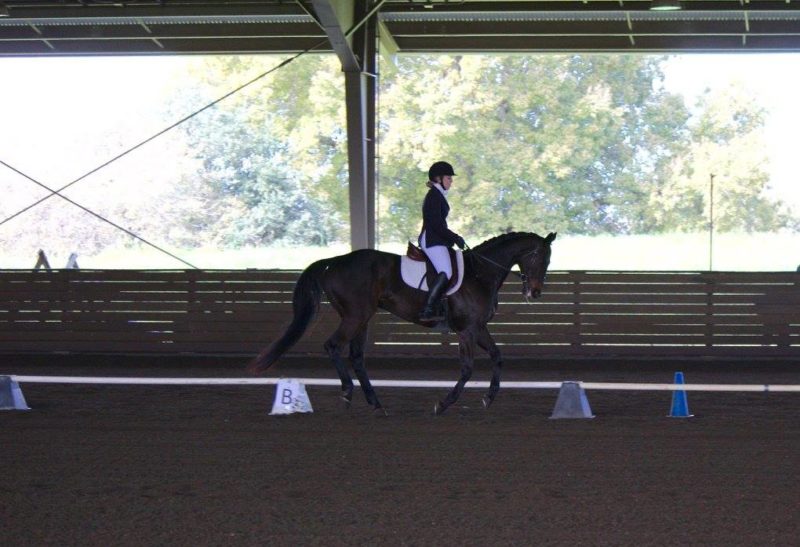
As a dressage rider, I often fall into being a perfectionist and wanting things to get better and better on a linear path, but of course that’s not how horses are. Just because he had a baby turn on the haunches two days ago doesn’t mean I’ll get one tomorrow or the day after or even next week. I’m sure it’s in there somewhere, and now I know that, I just need to believe we can keep working on it. Seafire has a fair amount of emotional baggage, but none of us come to a riding partnership without something. Getting him to where he is has taken time, there have been no shortcuts (perhaps only long-cuts), but he is definitely making progress. Dressage is, or really should be, about training your horse and enjoying the process. Both you and your horse should become stronger, better athletes through the training, not stressed or unhappy. Obviously there are days when things don’t go well, but on those days I just have to adjust my expectations and try again. Eventually, as long as I keep doing things kindly and consistently, it will get better.